
Three Pricing Stories Students Will Understand: Dynamic Airline Fares, Used EV Value, and Amazon’s Price-Fixing Allegations
Price can feel like a dry topic, especially when it comes to determining the best price. But price has so many interesting angles, we just need to show these to our students. And of course, students must pay prices (which inflation data shows are going up). All three articles are designed to work with Chapters 17 and/or 18 in Essentials of Marketing, although each article might also be used on other chapters as noted.
Here are a few articles that might make the topic more interesting. Each article addresses a different topic; the first examines pricing strategy, the second ethics, and the third legal issues. After briefly summarizing each article, I provide a few potential in-class discussion questions and ideas for answers.
What will cheap EVs do to the car market?
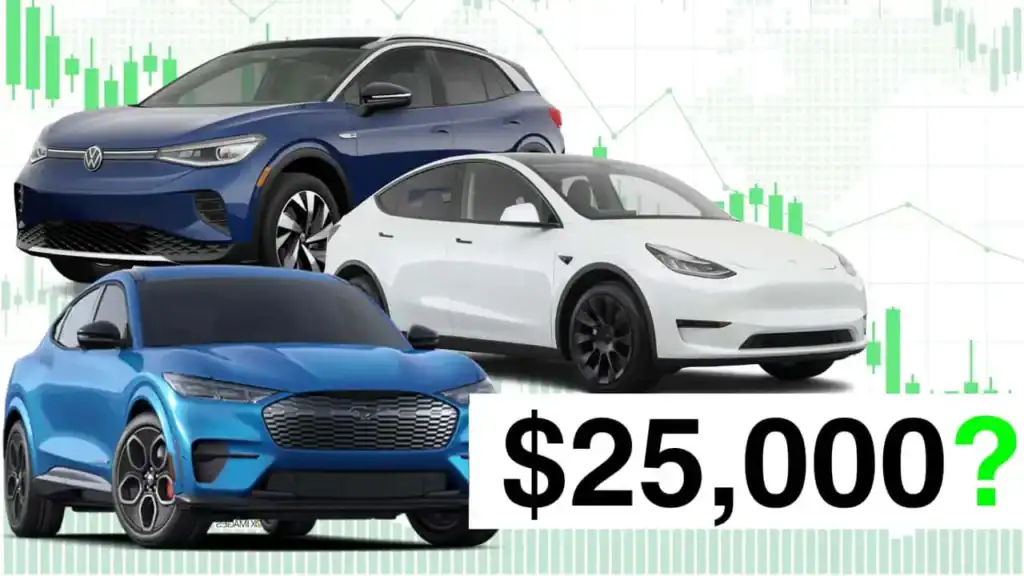
“Cheap EVs are about to flood the used car market. Will more buyers make the switch from gas?” (Fast Company, March 23, 2026) highlights how changes in supply, total cost of ownership, and consumer price sensitivity can reshape demand in the used-car market. Around 300,000 EV leases are expected to expire in 2026, increasing the supply of used EVs just as many consumers are worried about gasoline prices. The article notes that used EVs may compare favorably with similarly priced used gas vehicles because buyers can often get a newer vehicle with fewer miles and more technology, while also saving on fuel and maintenance. It is a strong classroom example of value pricing: the “price” consumers evaluate is not just the sticker price, but the total value equation, including fuel costs, maintenance, range, battery durability, incentives, and perceived risk. It also connects to market segmentation because budget-conscious buyers, commuters, and consumers facing high gas prices may become more receptive to used EVs than new EV buyers or performance-focused shoppers.
Relevant chapters: Chapter 17, “Pricing Objectives and Policies,” especially value pricing, leasing, price sensitivity, and how market conditions affect pricing strategy; Chapter 18, “Price Setting in the Business World,” for demand, costs, and customer value; Chapter 4, “Focusing Marketing Strategy with Segmentation and Positioning,” because used EV sellers must position these cars as practical, affordable, and lower-cost to own rather than simply “green.” Chapter 4’s discussion of positioning is useful here because marketers must understand how customers perceive alternatives and may need to reposition an offering as customer needs and the competition change.
Discussion questions:
- How should a used EV dealer frame the value proposition: lower purchase price, lower operating cost, newer technology, environmental benefits, or all of these?
- Answer ideas: A strong answer is “all of these, but not equally for every segment.” Chapter 17’s discussion of value pricing is useful here because value is not the same as the lowest price. Used EV marketers should show that the buyer may receive a newer vehicle, lower fuel costs, lower maintenance costs, and advanced technology at a competitive used-car price.
- Chapter 18 adds that price setting should consider customer demand and price sensitivity. Some buyers will care most about monthly payment. Others will care about gas savings, technology, or environmental impact. A good dealer would adapt the message by target segment: commuters may respond to fuel savings, budget buyers to total cost of ownership, and environmentally motivated buyers to emissions benefits.
- Does the rapid depreciation of EVs hurt or help marketers trying to sell used EVs? Explain from both the buyer and seller perspectives.
- Answer ideas: Rapid depreciation can help used EV buyers because it lowers the purchase price and may make a newer, better-equipped vehicle affordable. From a Chapter 17 perspective, this can increase perceived value if the lower price is paired with benefits such as lower operating costs and newer technology.
- For sellers, depreciation is more complicated. It may hurt resale values and make new EV buyers worry about future trade-in value. But for used-car dealers, lower acquisition costs can create an opportunity to attract price-sensitive customers. Chapter 18 would push students to consider demand: if the lower price expands the market enough, dealers may benefit from higher turnover even with lower margins.
- How does total cost of ownership change the meaning of “price” for a car buyer?
- Answer ideas: Chapter 17 explains that price has many dimensions and is tied to “something of value.” For a car, price is not just the sticker price. It includes financing, fuel, maintenance, insurance, charging equipment, battery concerns, tax credits or incentives, and resale value.
- Used EVs are a good example because a buyer might pay the same or slightly more upfront than for a gas car but save money over time through lower fuel and maintenance expenses. Chapter 18 reinforces that marketers must consider how customers evaluate value and price sensitivity. If customers focus only on sticker price, they may undervalue the EV. If marketers explain total cost of ownership clearly, the EV may look like a better deal.
- Which target segments are most likely to respond to used EV pricing: commuters, budget buyers, environmental consumers, tech-oriented buyers, or gas-price-sensitive shoppers?
- Answer ideas: The best answer is that several segments may respond, but for different reasons. Commuters may value low fuel costs and predictable daily range. Budget buyers may be attracted by lower used EV prices and lower operating costs. Gas-price-sensitive shoppers may respond when gasoline prices rise. Environmental consumers may value reduced emissions, while tech-oriented buyers may like newer features at a used-car price.
- Chapter 18’s discussion of demand-oriented pricing is relevant because different segments may have different demand curves and different levels of price sensitivity. Chapter 17’s value pricing concept also applies: the seller must communicate superior value to each target market, rather than assuming one price message will work for everyone.
- What marketing mix changes might dealers need to make to reduce customer concerns about range, charging access, and battery life?
- Answer ideas: Dealers should support the price with other marketing mix elements. Product-related support might include battery health reports, limited warranties, certified pre-owned programs, or clear explanations of expected range. Place-related support might include partnerships with charging networks or maps showing nearby chargers. Promotion should educate customers about home charging, maintenance savings, and realistic daily use.
- From Chapter 17, these additions can increase customer value and justify the price. From Chapter 18, they may also reduce price sensitivity. A buyer who is worried about battery replacement may demand a much lower price. A buyer who receives credible information, warranty support, and charging guidance may be willing to pay more because the perceived risk is lower.
Ooops, we didn’t want customers to know that.
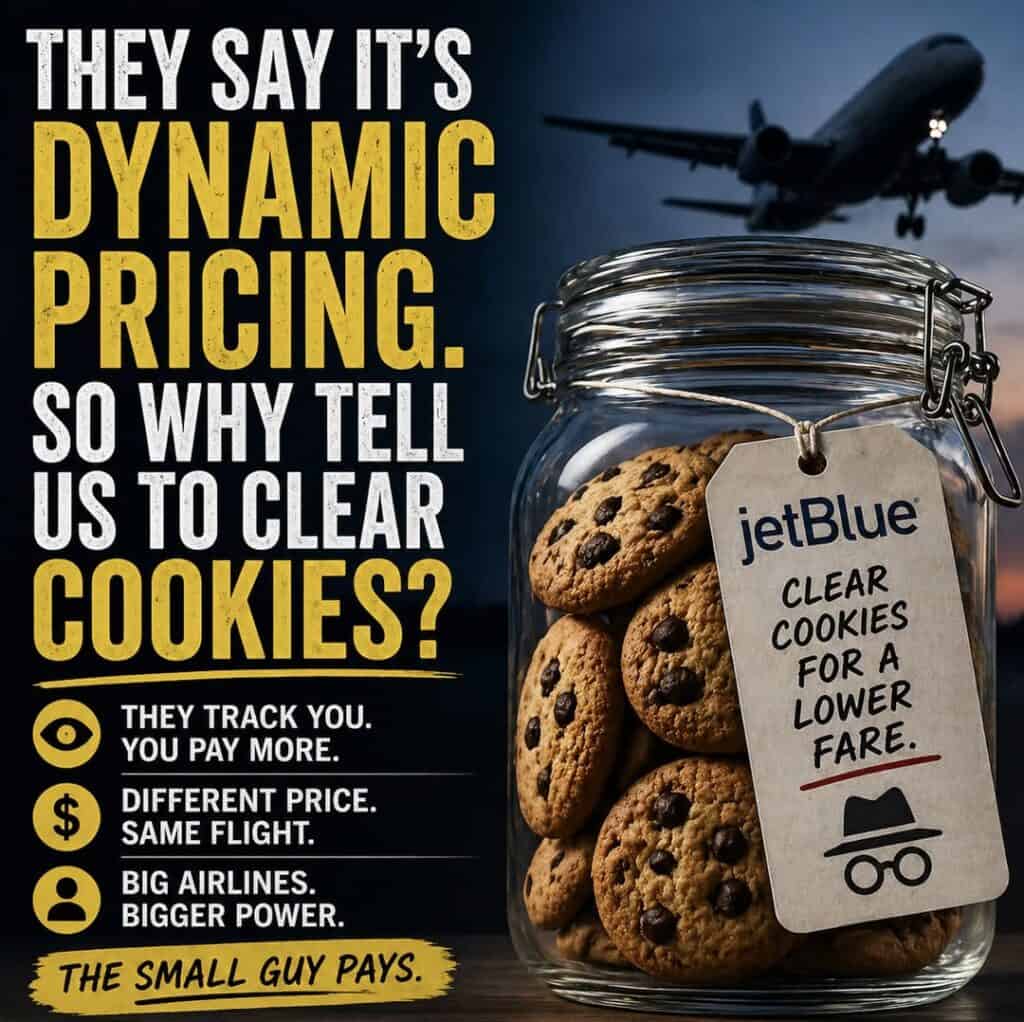
“JetBlue told a grieving customer to clear his cookies after a $230 price hike—then deleted the evidence” (Fortune, April 21, 2026) offers a timely example of the tension between dynamic pricing, personalized pricing, and customer trust. A JetBlue customer complained on X that a flight price increased by $230 in one day while he was trying to travel to a funeral; JetBlue’s social media reply suggested clearing “cache and cookies” or using an incognito window, then later deleted the post. JetBlue later stated that the reply was incorrect and that fares are based on real-time availability and reservation-system inventory, not cached data or personal browsing information. The article connects well to discussions of flexible-price policies, dynamic pricing, surveillance pricing, transparency, and the public relations risks that occur when customers suspect prices are being personalized unfairly. It also raises an ethics question: even when dynamic pricing is legal and economically rational, how should companies communicate price changes when customers are vulnerable or emotionally stressed?
Relevant chapters: Chapter 17, “Pricing Objectives and Policies,” especially flexible-price policy, dynamic pricing, and legal/ethical issues in pricing; Chapter 18, “Price Setting in the Business World,” for customer reactions to pricing tactics; Chapter 16, “Publicity: Promotion Using Earned Media, Owned Media, and Social Media,” because the issue escalated through user-generated social media and earned media coverage. Chapter 17 defines dynamic pricing as changing prices based on demand and customer willingness to pay, using airlines as a classic example. Chapter 16 is also relevant because earned media can be powerful but difficult for the brand to control, especially when customer complaints go public.
Discussion questions:
- How is JetBlue’s fare change an example of dynamic pricing, and how is dynamic pricing different from personalized or surveillance pricing?
- Answer ideas: JetBlue’s explanation fits dynamic pricing because the fare changed based on real-time seat availability, demand, and inventory adjustments. Chapter 17 identifies dynamic pricing as a form of flexible pricing where prices may change quickly as market conditions change. Airline fares are a classic example because a seat on a flight is perishable inventory: once the plane departs, unsold seats have no value.
- The customer concern, however, was about personalized or surveillance pricing—the fear that JetBlue was raising the fare because the customer had searched before, revealed urgency, or was being tracked through cookies. JetBlue denied that fares were based on cached data or personal information, saying the social media reply was incorrect and that prices were based on real-time availability. That distinction matters because customers may accept fluctuating prices more readily when they believe the system is based on demand and inventory, but they may view personalized price manipulation as unfair or exploitative.
- Should airlines be expected to explain why a fare changed, or is real-time inventory-based pricing enough of an explanation?
- Answer ideas: From a Chapter 17 perspective, prices are part of the value exchange, and customers evaluate not only the dollar amount but also the fairness and transparency of the exchange. A simple statement that prices are based on real-time availability may be technically accurate, but it may not be enough when a customer feels blindsided by a large increase.
- A stronger answer would explain that fares can change because lower-priced fare classes sell out, inventory is adjusted, or demand rises. Chapter 18 reminds students that pricing should consider demand and price sensitivity, not just costs. In this case, the customer was likely highly price sensitive and emotionally vulnerable because the trip was for a funeral. A transparent explanation would help preserve trust even if the airline cannot restore the previous fare.
- How might customer vulnerability, such as traveling for a funeral, change perceptions of whether a price increase is fair?
- Answer ideas: Chapter 17 emphasizes that pricing decisions affect customer value and can raise ethical concerns. A customer traveling for a funeral is not shopping casually; the need is urgent and emotionally charged. Even if the price increase is caused by normal demand-based fare changes, the customer may perceive the increase as unfair because the situation limits their alternatives.
- This is a useful place to discuss the difference between economic logic and customer perception. Economically, the airline may argue that dynamic pricing allocates limited seats efficiently. From the customer’s point of view, the company appears to be charging more when the customer has little choice. That perception can damage brand trust, especially when the exchange happens publicly on social media.
- What could JetBlue’s social media team have said instead to preserve trust while still explaining airline pricing?
- Answer ideas: A better response would have acknowledged the loss first, avoided suggesting that the customer was being tracked, and explained the pricing mechanism clearly. For example: “We’re very sorry for your loss. Fares can change quickly as seats are purchased and availability changes, and they are not final until booked. Please send us a direct message and we’ll check available options.”
- This answer aligns with Chapter 17 because the company should manage not only the price but also the customer’s perception of value and fairness. It also aligns with Chapter 18 because demand-oriented pricing may be rational, but marketers must consider customer response and price sensitivity. The original “clear your cookies” reply created confusion and suggested that personal browsing data might influence price, even though JetBlue later denied that was the case.
- Should regulators require companies to disclose when prices are customized based on browsing, location, loyalty data, or other personal information?
- Answer ideas: Students may argue yes because Chapter 17 notes that pricing receives significant legal scrutiny, especially when price flexibility creates potential unfairness or discrimination. If customers are charged different prices based on personal data, they may not understand the terms of the exchange. Disclosure could improve transparency and help customers judge whether the price is fair.
- Students may also argue that companies need flexibility to set prices based on demand, customer segments, and market conditions. Chapter 18 suggests that marketers often consider price sensitivity and demand differences across segments. The key distinction is whether price differences are based on legitimate market factors or hidden personal data. A balanced answer would support disclosure when personal information materially affects the price shown to a customer.
Is Amazon fixing prices?
In “Here Are the Juicy Accusations Against Amazon” (Economics for Everyone, April 21, 2026), author Peter Coy summarizes allegations from California that Amazon pressured other companies to raise prices rather than simply lowering its own prices to compete. The article describes a state memo that allegedly includes communications involving Amazon, Levi Strauss, Walmart, and other retailers, including claims that prices were coordinated around specific products. Amazon denied price fixing, and the case was not scheduled for trial until January 2027, so instructors should present the article as allegations rather than proven wrongdoing. For marketing classes, the article is a vivid example of why pricing decisions receive significant legal scrutiny. It connects directly to price fixing, channel relationships, marketplace power, and the boundary between legitimate price matching and illegal coordination. It also gives students a practical way to discuss how platform power can influence pricing across a broader retail ecosystem.
Relevant chapters: Chapter 17, “Pricing Objectives and Policies,” especially legal constraints, price fixing, price-level policies, and price flexibility; Chapter 12, “Retailers, Wholesalers, and Their Strategy Planning,” because Amazon’s marketplace role affects retailer and supplier behavior; Chapter 3, “Evaluating Opportunities in the Changing Market Environment,” because Amazon’s scale, data, and marketplace position shape the competitive environment. Chapter 17 is especially important because it explains that price fixing—competitors agreeing to raise, lower, or stabilize prices—is illegal in the United States under the Sherman Act and Federal Trade Commission Act.
Discussion questions
- What is the difference between legal price matching and illegal price fixing?
- Answer ideas: Legal price matching usually means a retailer independently lowers or adjusts its price after observing a competitor’s price. The key is independent action. Chapter 17 identifies price fixing as a major legal issue in pricing and notes that pricing comes under greater legal scrutiny than many other marketing mix decisions.
- Illegal price fixing involves competitors agreeing to raise, lower, stabilize, or coordinate prices. In the Amazon article, California alleges that Amazon, suppliers, and other retailers coordinated price increases on specific products. Because Amazon denies price fixing and the case had not gone to trial, instructors should frame this as an allegation. Still, the article gives students a clear way to distinguish independent competitive response from coordinated pricing behavior.
- Why might a dominant marketplace platform have more influence over competitors’ prices than a traditional retailer?
- Answer ideas: A dominant marketplace platform can influence pricing because it may have extensive data, high customer traffic, and strong relationships with suppliers and third-party sellers. If a supplier depends heavily on a platform for sales, the platform may have leverage even without owning all the inventory.
- Chapter 18 is relevant because price setting depends on demand, competition, and customer response. A platform like Amazon can shape competitive expectations because many consumers use it as a reference point for price. Chapter 17 is also relevant because the more influence a firm has over market prices, the greater the legal and ethical concerns if its actions appear to reduce competition or coordinate prices.
- How should suppliers respond when one powerful retailer complains that another retailer is selling at a lower price?
- Answer ideas: Suppliers should be very careful. A supplier can listen to retailer concerns, review its own pricing policies, and make independent decisions about wholesale prices or promotional support. However, it should not coordinate one retailer’s prices with another retailer’s prices or pass messages among retailers to raise prices.
- Chapter 17’s legal discussion is directly relevant. Price flexibility, discounts, allowances, and price differences may be legal in some circumstances, but pricing policies must be carefully managed because of laws related to price fixing and price discrimination. The Amazon article’s allegations show the risk when communications appear to involve one retailer asking a supplier to get another retailer to raise its price.
- What are the risks to consumers if online marketplaces discourage retailers from discounting?
- Answer ideas: If marketplaces discourage discounting, consumers may pay higher prices and lose some of the benefits of competition. Discounts and price competition often help consumers find better value. If retailers coordinate around higher prices, the market may look competitive on the surface while customers face fewer real price choices.
- Chapter 17 connects this to the purpose of antimonopoly laws: protecting competition. Chapter 18 connects it to demand and price sensitivity. If prices rise across multiple retailers, price-sensitive consumers may reduce purchases, switch categories, or feel that the marketplace is less trustworthy. The long-term risk is that customers lose confidence that online retail prices reflect real competition.
- What evidence would students want to see before deciding whether the behavior described is illegal coordination or normal competitive communication?
- Answer ideas: Students should want evidence of communication, intent, and action. For example, did Amazon, suppliers, and other retailers explicitly discuss target prices? Did one party ask another to raise prices? Did prices change after those communications? Were the communications part of normal supplier-retailer management, or did they involve coordination among competitors?
- Chapter 17 provides the legal lens because price fixing is a serious pricing violation, but students should avoid assuming guilt based only on accusations. The article includes California’s allegations and Amazon’s denial, so the strongest answer is cautious: the emails described may look problematic, but a legal conclusion would require fuller evidence and court findings.
A first draft of this blog post was generated by Claude.