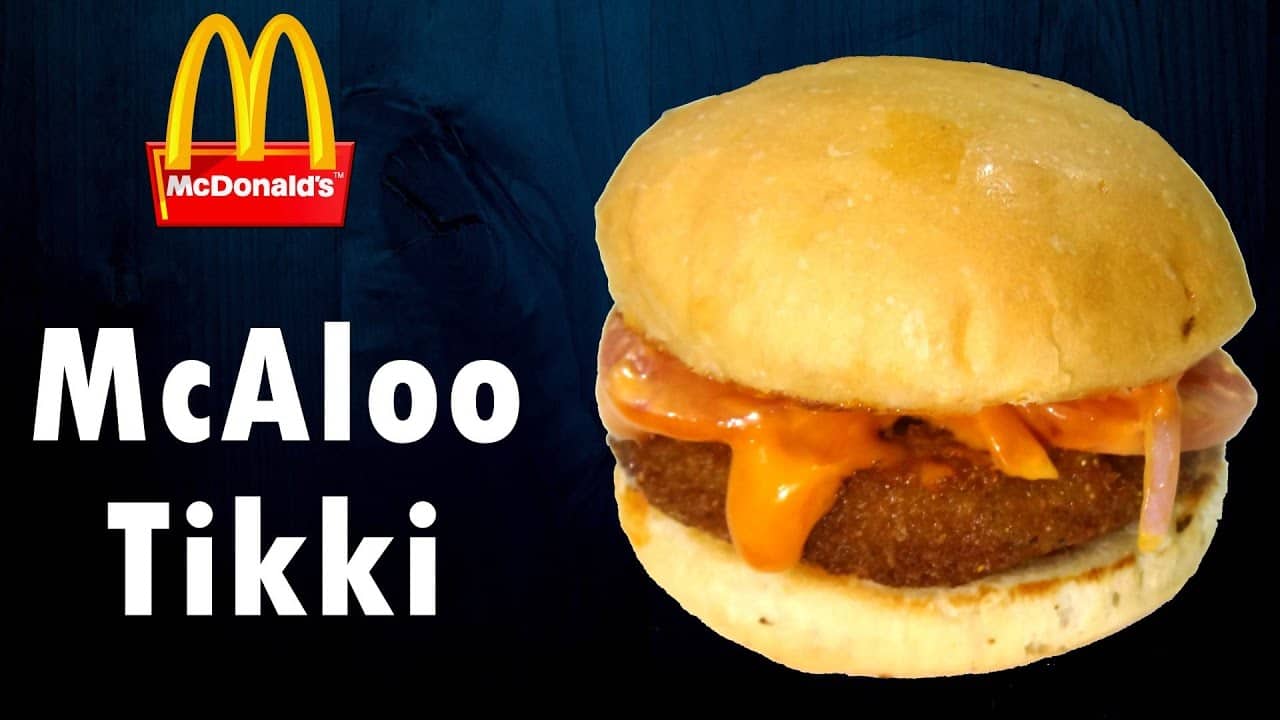
This article (”McDonald’s: the world’s local restaurant,” The Times Online, February 9, 2010) provides some great examples on how successful global firms tweak marketing strategies to better appeal to local markets. While much of the article is about McDonalds in the UK, there are other examples as well. This would provide examples for talking about international in general, or in combination with lectures about retailing or product.
I love this new campaign for Tropicana in Canada. The brand is launching a new juice Tropicana Essentials with added calcium and vitamin D (the sunshine vitamin). Tropicana’s ad agency, BBDO Canada, found a great way to portray the campaign’s slogan “Brighter Mornings Brighter Days.” Proclaiming itself Canada’s National Provider of Brighter Mornings, Tropicana spent a month in Inuvik, one of Canada’s northernmost towns, where 3500 residents live without the sun for several weeks every winter. The television commercial (see below) was supplemented with a Facebook page, and a behind the scenes blog. For more details link to this article.
The ad provides a nice example of international marketing (for us non-Canadians anyway) — because I think that Canadians have an understanding (maybe with our Scandanavian friends) of the short days of winter. I will show it when I talk about integrated marketing communications or advertising. It provides a nice example of how advertising supports a positioning objective.
It is always great to have marketing examples that show problems with translation in foreign markets. It is easy to fall back on the classic Chevy Nova (”no va” in Spanish means “no go”) — but this new article will give you some newer and more relevant examples. See “Don’t Let Your Brand Get Lost in Translation” in Brandweek, February 10, 2010.
Seth Godin is great and I always enjoy following his blog. In this blog post, “The brand, the package, the story, and the worldview,” Godin offers advice to African chocolate maker Madecasse on how putting a story on its package might help its sales. Could be a good example, or turned into a mini case for discussion.
I am becoming more and more a believer in the power of stories. I think they help in marketing and for teaching marketing. If you are interested in learning more about stories, you might read Daniel Pink’s book “A Whole New Mind: Why Right Brainers Will Rule the Future” (this morning I listened to the “Story” chapter on my way in to work) or the Heath brothers “Made to Stick.“ I know we all use stories (extended examples) to supplement our teaching, but what I am reading has me thinking about how I can develop better stories.
Personally, I would probably consider printer/copier paper to be a commodity product. Obviously you don’t want to think that if you are in this market. This interview with Double A paper’s Thirawit Leetavorn explains how (Australian firm?) Double A has developed a brand with awareness, differentiation and preference through advertising. You could follow up this video with a couple of ads — the “Girl on the Copier” doesn’t do much for differentiation, but it’s viral and buzz potential built awarness. Another add – “No Jam” develops one of its key points of differentiation. This video series could be used with our books chapter 2 (marketing strategy planning), chapter 4 (positioning), or with a discussion of the product life cycle (market maturity), in Promotion tied to promotion objectives or advertising to create differentiation, or even around pricing. It’s also nice to show students some international examples.
Another example from China — this one looks at retailing there. Just published in BusinessWeek, “China: Where Retail Dinosaurs Are Thriving” (January 21, 2010). This might be useful when talking about consumer behavior in other countries, in retail, or international.
People have long predicted that online shopping and home delivery of groceries would change the market. Another wrong prediction (see Webvan go down in flames) — and of course they said no one could sell shoes online (tell that to Zappos). Anyway, I digress. This January 14, 2010, Wall Street Journal article, “In France, a Drive-Up Grocery Takes Off” (subscription may be required - for “back door” see here) describes a French retailers hybrid version — online order then pick-up. Would this model work in other cultures? Or is it uniquely French?
Looking for a nice example of differences in consumer behavior across cultures? I learned something today about consumer behavior in China. Apparently many Chinese consumers value the bargain — maybe not so culturally unique. But they go about it in an interesting way. Many Chinese shoppers go on a group bargain hunt — realizing that they might get a volume discount. I heard about this on the American Public Radio show, Marketplace (January 22, 2010) “China’s next export: group shopping?“ Click through to read or listen to the story — I have embedded a video of group shopping below. [Note: click through to the story to see the video, at first my embedding the video worked, but now it does not.] I know we have at least a few Chinese readers. Can you add a comment with more insight on this practice?
This article in BtoB (January 21, 2010) “Case study: How IT company increased response on U.K. e-mail campaign,” offers instructors several benefits. While the article is short, it shows how an American firm had to adapt its communications approach to get a better response from UK buyers. The case study includes the adaptations made in an e-mail campaign and the before and after click-through rate. It is also a good example of the use of e-mail, an important component of the promotion blend in B2B. Check it out.